What Home Renovation Projects Often Miss: Security Weak Points Discovered After Layout Changes

The United States Department of Justice has repeatedly reported that unlawful entry frequently occurs through doors and windows, and researchers continue to observe that weak access points often become more exposed after structural changes are made to a home.

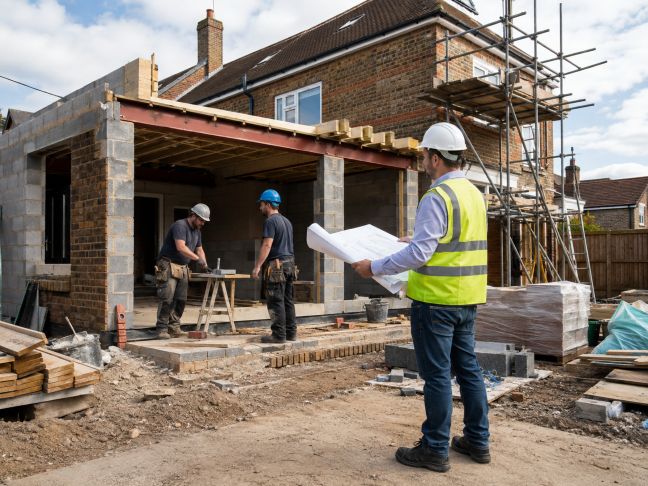
Home renovation projects are usually designed around comfort, appearance, or creating more usable space. Homeowners may remove walls to create open living areas, add larger windows for natural light, convert garages into extra rooms, or build new entryways for convenience. While these changes can improve how a house looks and functions, security planning sometimes becomes an afterthought. Design ideas often receive more attention than access control, visibility, and physical protection measures. Information from security solutions for homes shows that many homeowners begin evaluating risks only after construction work has already been completed.

The challenge is simple. Renovation projects change how people move through a property, and they also change how outsiders can access it. Something that appears visually harmless during planning can create unexpected weaknesses after the project is finished. Security concerns often emerge after homeowners begin living in the renovated space and notice issues that were invisible during construction.

home renovations and security planning

How Renovations Change Security Planning

Security planning traditionally focuses on original building layouts. Doors, windows, entry points, and lighting systems are often designed around established traffic patterns inside and outside the property. Renovations can disrupt those assumptions.

Research published by the National Institute of Justice indicates that environmental design affects crime opportunities. Principles of Crime Prevention Through Environmental Design, often called CPTED, suggest that visibility, access control, and territorial awareness can influence security outcomes.

When layouts change, these principles may unintentionally weaken. Homeowners sometimes focus entirely on aesthetics and functionality while overlooking how movement patterns around the house are being altered.

Common Renovation Changes That Introduce Risks

New Entrances and Access Points

Adding a side entrance or patio access door creates convenience. Families appreciate having easier movement between outdoor and indoor spaces.

However, every additional door becomes another access point requiring locks, reinforcement, visibility, and monitoring. Experts note that secondary entrances occasionally receive less attention than front doors. A decorative rear entrance may look appealing while lacking strong locking mechanisms.

Data from SafeWise and crime prevention studies indicate that burglars frequently prefer areas with reduced visibility where they can avoid observation. Side entrances and rear doors sometimes create these opportunities.

Open Floor Plans

Open floor plans continue to be among the most requested renovation trends. Removing walls can make homes feel larger and brighter.

Yet interior walls sometimes provide indirect security benefits. Walls create separation between spaces and limit direct visibility into a home. Large open areas with wide glass sections can unintentionally provide clear views of valuables or occupant activities.

Someone standing outside may gain a broader visual understanding of the home’s interior compared with traditional segmented layouts.

Garage Conversions

Garage conversions have become increasingly common as homeowners seek extra bedrooms, offices, or rental spaces.

Research shows that attached garages sometimes represent overlooked security concerns because they connect external areas directly with the home. During renovation projects, homeowners may concentrate on insulation, flooring, and aesthetics while overlooking access systems.

Former garage doors replaced by walls or windows can create unusual structural areas where standard security practices may not be applied consistently.

Additional Windows and Glass Features

Natural light remains a major priority in renovation planning. Larger windows, sliding glass systems, and decorative glass panels have become popular choices.

Research from the International Association of Certified Home Inspectors indicates that windows require careful placement and protection considerations. Larger openings may increase visibility while also increasing potential access points if locking systems and structural reinforcements are insufficient.

Ground-level windows hidden by landscaping can create additional concerns.

Hidden Vulnerabilities That Appear After Renovations

Some weaknesses are difficult to identify during planning because they emerge only after people begin using the space daily.

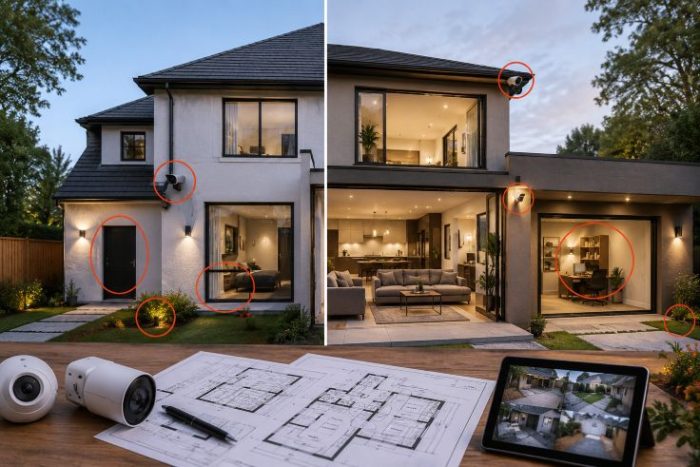
  • Poor lighting around newly created entrances
  • Reduced visibility caused by decorative landscaping
  • Blind spots created by walls, fences, or extensions
  • Weak door frames supporting heavier doors
  • Security cameras with outdated viewing angles
  • Alarm systems failing to cover modified areas
  • Windows placed near climbing structures or furniture

Experts note that renovations can unintentionally create “security gaps,” where previous systems continue operating but no longer align with the property’s new design.

For example, a camera that once monitored a driveway may become partially blocked after a new wall or extension is added. Similarly, motion sensors installed years earlier may no longer provide effective coverage after rooms are rearranged.

How Security Professionals Identify Weak Points

Many security assessments begin with a practical walkthrough rather than relying solely on architectural drawings.

Professionals often examine a home from multiple perspectives. They look at how someone unfamiliar with the property might approach it, identify hidden areas, and evaluate opportunities for unauthorized access.

Experts frequently review several factors:

  • Entry point strength and lock quality
  • Lighting coverage
  • Landscaping visibility
  • Camera positioning
  • Window accessibility
  • Movement patterns inside and outside the property
  • Alarm system effectiveness after modifications

Research from the International CPTED Association suggests that evaluating sight lines and access routes can help identify environmental weaknesses before they become larger problems.

Many issues discovered during these assessments involve adjustments rather than major structural changes. Improved lighting placement, reinforced hardware, repositioned cameras, or stronger access controls can address vulnerabilities efficiently.

READ ALSO: Integrating Smart Outdoor Living Systems into Residential Renovations

Integrating Security Into Renovation Planning Early

Renovation projects naturally focus on style, comfort, and maximizing usable space. Security sometimes enters discussions only after construction is complete and problems become visible.

Planning for safety measures earlier can reduce future complications. Considering access points, visibility, monitoring systems, and structural reinforcement during design stages often prevents costly revisions later.

Home improvements and protective measures work best when viewed as connected parts of the same project rather than separate tasks. Layout changes reshape how people experience a home, and they also reshape how the property can be accessed. A well-designed renovation balances appearance, function, and household protection from the beginning.

Integrating Smart Outdoor Living Systems into Residential Renovations

modern house patio

Global residential renovation spending continues to rise, with the Joint Center for Housing Studies of Harvard University reporting steady year-over-year growth in home improvement investments across developed markets. A significant share of this growth is now directed toward outdoor living upgrades, where energy efficiency, comfort control, and automation are becoming central design priorities rather than optional enhancements.

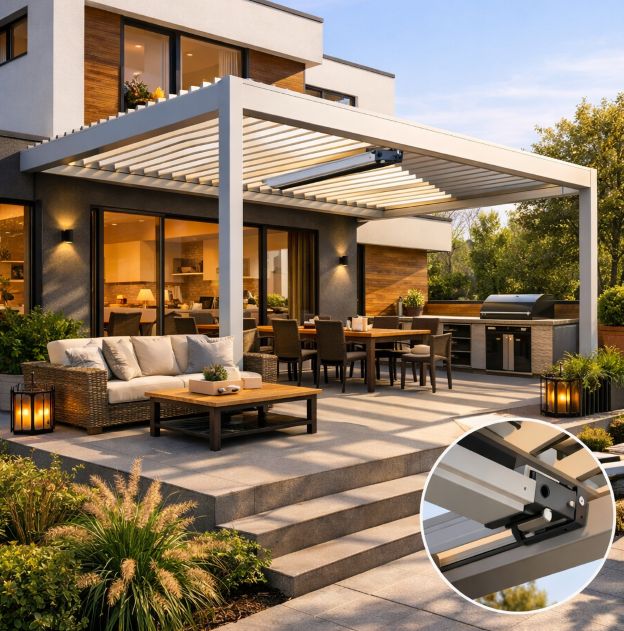
Recent outdoor design trends reflect a shift toward adaptable environments that respond to weather, light, and temperature conditions. One example is the growing use of integrated shading structures such as Pergomaxx bioklimatska pergola referenced by PergoMaxx, which highlights how bioclimatic systems are increasingly positioned within modern residential planning as functional architectural elements rather than decorative additions. These systems reflect a broader industry movement toward climate-responsive outdoor spaces that align with energy-conscious living standards.

Step 1: Understanding the Shift Toward Smart Outdoor Living

Outdoor living spaces are no longer treated as secondary zones. Research from the U.S. Department of Energy (DOE) shows that passive climate control systems, including adjustable shading and natural ventilation structures, can reduce cooling demands in adjacent indoor areas. This has encouraged homeowners and designers to treat patios, terraces, and gardens as integrated extensions of the building envelope.

Smart outdoor systems typically include motorized shading, automated louvers, weather sensors, and modular roof structures. These features are designed to respond dynamically to sunlight and rainfall, offering greater usability across seasons. Despite their technological complexity, the goal remains simple: create outdoor environments that remain comfortable without constant manual adjustment.

Step 2: Evaluating Outdoor Upgrade Potential

Before selecting any system, homeowners need to assess structural and environmental conditions. Experts from the American Institute of Architects note that successful outdoor renovations depend heavily on orientation, wind exposure, and existing drainage patterns. These factors determine whether a system will perform efficiently or require costly modifications later. Careful attention to craftsmanship and build quality also plays a defining role in long-term results, especially when outdoor structures must integrate seamlessly with existing architecture. Insights into carpentry expertise in home renovation projects highlight how skilled execution can significantly influence durability, precision, and overall design coherence in residential upgrades.

  • Sun exposure: Identify peak sunlight hours and shading needs
  • Structural capacity: Check if existing patios or decks can support additional installations
  • Climate conditions: Consider rainfall intensity, wind patterns, and seasonal variation
  • Usage goals: Define whether the space is for dining, relaxation, or multi-purpose use

By evaluating these elements early, renovation planning becomes more predictable and aligned with long-term performance expectations.

Step 3: Placement and Installation Considerations

Placement plays a decisive role in how effective an outdoor living system will be. Engineers and landscape architects often emphasize alignment with building orientation, particularly for south- or west-facing structures that receive stronger sunlight exposure. Improper placement can reduce both thermal comfort and system efficiency.

Data from the International Energy Agency (IEA) indicates that integrated shading systems can improve thermal comfort levels in adjoining indoor spaces when positioned correctly. This is especially relevant for homes with large glass facades or open-plan layouts that extend toward outdoor terraces.

Installation also requires attention to foundation stability, water runoff management, and electrical integration for automated features. These technical details often determine whether a system performs reliably over time or becomes maintenance-heavy.

Step 4: Integrating Bioclimatic Systems into Retrofit Planning

Modern retrofit projects increasingly incorporate adaptive outdoor structures as part of whole-home efficiency upgrades. Bioclimatic pergolas, adjustable roof systems, and smart shading installations are designed to regulate light and airflow naturally, reducing reliance on mechanical cooling systems.

Within this category, modular pergola systems inspired by products like bioclimatic outdoor pergolas provide a flexible framework for residential upgrades. These structures typically feature adjustable louvers that respond to weather conditions, allowing users to control sunlight and ventilation with precision. When integrated into retrofit planning, they help bridge the gap between architectural aesthetics and environmental performance.

Unlike traditional fixed roofing, these systems allow partial openness during mild weather and full coverage during rain or intense heat. This adaptability makes them suitable for urban homes where space is limited but environmental variability is high.

Step 5: Usability Factors and Long-Term Value

Usability remains a key factor in determining whether outdoor systems deliver long-term value. According to McKinsey & Company’s consumer lifestyle research, homeowners increasingly prioritize functional outdoor areas that support year-round use, especially in urban environments where indoor space is limited.

Ease of maintenance, automation reliability, and material durability are critical considerations. Aluminum frames, corrosion-resistant coatings, and integrated drainage systems are commonly used to extend product lifespan and reduce upkeep demands.

Equally important is user experience. Systems that integrate sensors for rain and wind detection reduce the need for manual adjustments, making outdoor environments more intuitive and responsive.

Conclusion: Designing Adaptive Outdoor Environments

Residential outdoor renovation is moving toward a model where flexibility and environmental responsiveness define design success. Smart shading systems, modular structures, and climate-adaptive installations are no longer niche upgrades but essential components of modern home planning.

Bioclimatic pergola systems, including variations of adjustable louvered structures and automated canopy designs, demonstrate how outdoor spaces can function as controlled micro-environments. When incorporated early in renovation planning, they improve comfort, support energy efficiency, and extend usable living space across seasons.

Ultimately, the value of smart outdoor living systems lies in their ability to adapt. As residential design continues to evolve, these technologies will remain central to how homes interact with changing climate conditions and daily lifestyle needs.

Why Hiring a Carpenter from Konstanz Can Transform Your Home Renovation Experience

Smiling carpenter builds modern wooden furniture in bright home with warm natural light.

A carpenter from Konstanz is more than a technician; they are creators of design, technology, and art, turning the mundane to the unique.

Throughout Germany, homeowners in want of achieving a turn from the rustic to the modern are enlisting the prowess of Konstanz carpenters to enhance their renovation undertakings.

What they achieve is more than a renovation but an artistic and artistic reinterpretation of an area that showcases the history and the modern way of living in an integrated manner.

Precision Meets Personality

The difference between Konstanz carpenters and others is the amount of detail they put in their work.

From one-of-a-kind kitchen cabinets to staircases made of oak in a minimalist style, each piece tells a unique story, all while displaying an unbelievable amount of precision.

Every single arch, slice, and edge is intentional, revealing not just the artisan’s talent but the homeowner’s identity as well. This relationship between the client and the master builder is responsible for the unique and cozy energy that these houses emanate.

Moreover, the carpenters of Konstanz are simultaneously instructed in the modern design software side as well as the manual approach.

This enables them to create energy-efficient, sustainable, and architectural masterpieces that are unique and skillfully crafted.

Sustainability at the Hearth

It is noted that more and more homeowners regard renovations as opportunities to change eco-unfriendly features. Among these homeowners are some trained as carpenters, hailing from Konstanz.

They usually get their timber from nearby forests, making a conscious decision to work with environmentally benign sources, as timber is a resource with a negative carbon footprint.

Beyond the selective choice of raw materials, many also aim at improving efficiency measures, whether it be by less insulation required by wooden wall panels or by the tightly sealed joints, which optimize energy and comfort.

Sustainability does not only speak to the eco-conscious, but it elevates the material value of the home too. Homes that are built to last, combined with thoughtful material use and a design that is not overly constrained, can ensure they endure changes in the tastes of future generations. They will still be revered for their elegance decades down the line.


ALSO READ: How Gangnam Karaoke Culture Is Inspiring a New Era of Home Entertainment Design


Enhance and Unify

Every Konstanz carpenter guarantees the concealment of insulation within generous overhangs.

This includes rehabilitating a malfunctioning kitchen, restoring a home that is over a hundred years old, or integrating multi-functional furniture to rationalize the volumetric pattern of a remodeled area.

They have a unique and valuable approach to the design. Dry internal areas, where people are expected to move and function, have their ideas integrated into the peripheral solutions.

Homeowners from above hint that the renovation cycle is better whenever a Konstanz carpenter is within the team. Detail-oriented individuals with extensive knowledge of the field usually embody team spirit and take pride in overdelivering their work, regardless of the team’s line of work.

This tends to be the case in collaborations that begin with a renovation and the concept of a new home, only to realize in the end how many old features have been retained.

Transforming Homes, One Detail at a Time

The carpenters from Konstanz integrate artistry, precision, and sustainable creativity into every work, from a customized dining room table to an entire home facade overhaul.

When a carpenter from Konstanz is hired, he is seen not merely as a service provider but as a craftsman who applies a tradition to each residence he works on.

Their work is a testament to the fact that a home is not a mere structure but a canvas for innovation.